
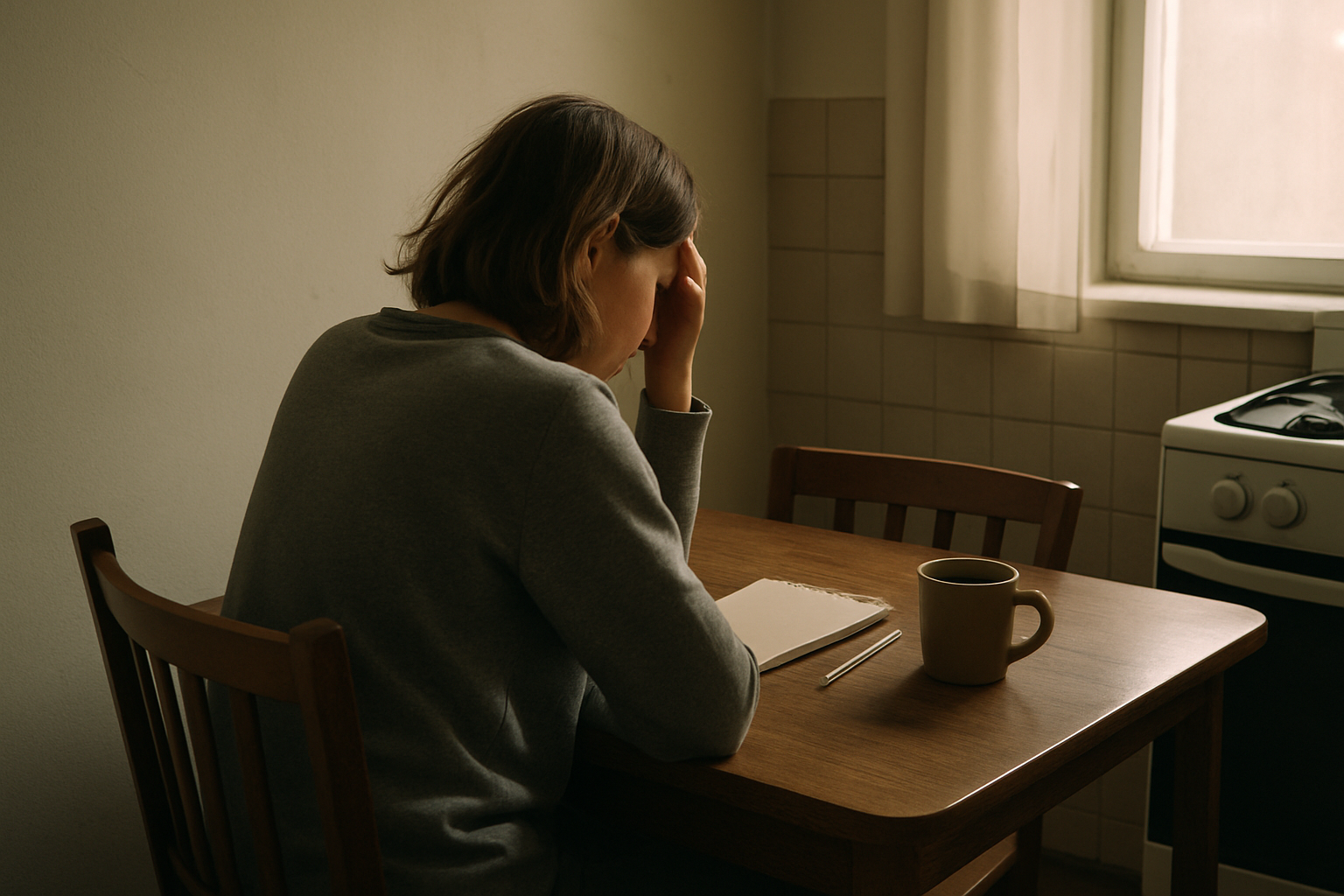
Your life changed faster than your routines could catch up. A breakup, layoff, move, illness, caregiving load, or legal mess can wreck sleep, meals, money, focus, and any clear sense of what a normal day is. Start smaller than your pride wants and stricter than your mood prefers: rebuild three habits that steady your day this week.
📋 In this article:
- Good habits after a rupture are plain, repeatable, and boring on purpose
- The first 72 hours: choose three anchor habits and ignore everything else
- Build a floor routine for bad days, not a full routine for fantasy days
- Most habit rebuilds fail because the plan is too big for the life you have now
- Track three metrics for 14 days and ignore self-judgment
- Change the room before you try to change yourself
- Use tiny actions for momentum and hard lines for fragile areas
- If life is still unstable, make your habits portable
- A seven-day reset plan you can start this week
Good habits after a rupture are plain, repeatable, and boring on purpose
Aim for functional stability. Build habits that keep you fed, washed, rested enough to think, and caught up enough to avoid preventable damage. Right now, a good habit probably isn’t a full workout plan, perfect meal prep, inbox zero, journaling, reading, and an early bedtime all at once. It’s a sleep window you can hold within about 60 minutes most nights, one real meal by midday, a 10-minute walk after lunch, 10 minutes of life-admin, and one reliable point of contact with another person.
Boring works because chaos has already taken up enough space. After life blows up, habits should cut decisions, not create more of them. Stability comes first. Fine-tuning can wait until your days stop feeling like emergency triage.
The first 72 hours: choose three anchor habits and ignore everything else
Pick three habits for the next seven days. Stop there. Start with six or ten and you’ve built yourself a second job you’ll resent by midweek.
Use three categories: one body habit, one space habit, and one life-admin habit. Keep each one between 5 and 20 minutes. Keep the cost between $0 and $15 if there’s any cost at all. Attach each habit to a cue you already hit every day: waking up, making coffee, using the bathroom, getting home, or setting your keys down.
A solid body anchor could be drinking a full glass of water when you wake up, eating one substantial meal by noon, or walking for 10 minutes after lunch. A useful space anchor could be resetting the sink for 5 minutes, clearing your desk for 5 minutes, or making the bed before you leave the room. A workable life-admin anchor could be spending 10 minutes paying one bill, answering one email, checking appointments in Google Calendar, or opening mail and sorting only what’s urgent.
Test each habit with one hard rule. If it takes more than 20 minutes, depends on high motivation, or requires gear you don’t have, shrink it. “Cook healthy dinners every night” fails. “Heat one decent meal by noon” passes. “Go to the gym five days this week” fails. “Walk around the block after coffee” passes.
This is where people complicate the rebuild. They pick habits from a stable season of life, then treat the miss as personal weakness. The problem is fit. Your old systems matched your old circumstances.
Build a floor routine for bad days, not a full routine for fantasy days
Create a floor routine that fits inside 15 minutes total. Use this sequence for the next week: get out of bed and open the curtains or step outside for 2 minutes; drink water and eat something with protein or substance within 60 to 90 minutes; wash your face, brush your teeth, and do a shower-lite version if that’s all you can manage; check your calendar and choose one must-do task for the day.
This works because a floor routine holds up on rough mornings. It doesn’t ask you to feel ready. It asks you to complete a short chain of actions that puts your body and attention online. After upheaval, energy is uneven, and mornings are often the weakest part of the day.
Short routines win.
A simple sequence beats an ambitious rescue plan every time. A mild disagreement belongs here too: morning routines get too much credit in this topic. For plenty of people in crisis, the better target is simply a repeatable first hour after waking, even if that starts at 10 a.m. after a bad night.
The failure point is pretty clear. People design a 60-minute comeback routine with stretching, journaling, meditation, a run, supplements, meal prep, and deep work before 8 a.m. They drop it by day three because they built it for the version of themselves they miss, not the version who has to get through this week.
Most habit rebuilds fail because the plan is too big for the life you have now
Overreach is usually the problem. After a major rupture, your schedule, identity, energy, and environment can all shift at once. You may be in a new apartment, sleeping badly, dealing with paperwork, worrying about money, or parenting under strain. In that kind of stretch, habits break down when they require long focus blocks, motivation spikes, childcare coverage, extra spending, or equipment that belongs to another chapter of your life.
Another trap is treating habits as proof you’re fully back. That pressure wrecks consistency. One missed day starts to look like evidence that nothing’s working, so people stop tracking and drift for another week.
Missed days are manageable. The bigger damage starts when you restart in shame and make the plan harsher than it was before.
Perfect streaks are fragile. Stable cues hold up better. Put the habit after coffee, after brushing your teeth, before leaving the house, or after putting your bag down. Tie it to events you can count on when clock times are messy.
Track three metrics for 14 days and ignore self-judgment
Track completion for two weeks. Use paper on the fridge, a notes app, or dots on a wall calendar. Don’t set up a special app unless it’s one you already use every day. Tracking should take 1 to 2 minutes each evening.
Measure only three things: whether you did your three anchor habits today, whether you got into bed within your chosen 60-minute window, and whether you handled one life-admin task before 3 p.m. Those three markers show stability. They don’t depend on mood, optimism, or whether the day felt productive.
The strongest recommendation here is simple: paper usually beats apps during a crisis because it is harder to ignore and faster to update.
Keep the mark simple: yes or no. Skip scales and nightly essays. Detailed tracking often turns into avoidance when you’re emotionally overloaded.
Change the room before you try to change yourself
Spend one afternoon reducing friction where your day tends to snag. Aim for 20 to 30 minutes total. Put medication, a water bottle, and your phone charger in one visible spot. Keep one bowl, one pan, and one mug clean so feeding yourself stays easy when dishes pile up. Put walking shoes by the door.
Set one paper landing zone for bills and forms so they stop disappearing into bags and counters.
If money is tight, treat it that way. Most useful fixes cost $0. Cap optional purchases at $20 this week. Healthy Habits to Rebuild When Life Falls Apart expands on this point.
A cheap tray for mail or a basic water bottle can help if you truly need it. What won’t help is spending half a Saturday on storage bins, labels, or another planning app while bills and forms are still disappearing into bags and counters.
Friction beats willpower because it changes what happens when you’re tired. A visible water bottle gets used more than one buried in a cupboard. One clean pan lowers the odds that you’ll skip food and order takeout you can’t afford. One spot for papers can keep a shutoff notice or appointment letter from vanishing under junk mail.
Use tiny actions for momentum and hard lines for fragile areas
Some habits should stay tiny. A 5-minute walk counts. Washing one dish counts. A 10-minute tidy counts. These actions rebuild trust with yourself because they’re small enough to happen even on ugly days.
Some standards need a firm rule. If medication is essential, missing it can’t be optional. If checking messages in bed keeps you awake until 1 a.m., set a hard line around lights out. If alcohol on work nights destabilizes sleep, spending, or conflict at home, make that rule clear for now.
The distinction matters. Tiny actions create motion when you feel stuck. Hard lines protect areas where slippage causes outsized damage. Use very few hard lines at once—too many rules trigger rebellion fast, especially when life already feels controlled by outside forces.
If life is still unstable, make your habits portable
If you’re moving, dealing with court dates, handling breakup logistics, job loss, health fallout, or caregiving swings, fixed schedules can fall apart overnight. Tie habits to events you already do rather than exact times. Take medication after the bathroom trip you always make first thing. Drink water when the coffee starts brewing. Review appointments before you leave the house. Sort papers after you set your keys down. If that’s the boat you’re in, Can You Rebuild a Routine After Divorce With Kids? is worth ten minutes.
During an active crisis, maintenance habits are enough. Medication taken, one meal eaten, one urgent form submitted, teeth brushed before bed: that’s a successful day right now. Growth habits can come back later, once your footing is better.
If job loss is part of the rupture, aim your admin habit at money first. File unemployment promptly if it applies in your state. Benefits last up to 26 weeks in most states as of 2026, though some states pay fewer weeks and Massachusetts pays up to 30. If payments start coming in, remember they’re taxable federal income, and tax isn’t withheld automatically unless you request 10% withholding with IRS Form W-4V. Put those tasks in your life-admin block before 3 p.m. so they don’t turn into bigger problems later.
A seven-day reset plan you can start this week
Day 1: choose your three anchor habits and write them on paper where you’ll see them in the morning. Make each one specific. “Drink water on waking,” “clear sink for 5 minutes,” and “10 minutes of bills or email before 3 p.m.” work well. Healthy Habits When Your Life Just Blew Up tackles the same question from the other direction.
Day 2: set up the environment in one 20- to 30-minute pass. Put out the water bottle, place shoes by the door, clear the paper zone, and make sure one bowl, one mug, and one pan are usable.
Day 3: test your floor routine exactly as written. If any step feels heavy two mornings in a row, cut it down further rather than forcing it.
Day 4: lock in one 10-minute life-admin block before 3 p.m. Use a timer on your phone if focus is poor. Stop when the timer ends unless the task is almost finished.
Day 5: review misses without drama. Find the hardest habit and shrink it by one step. If “walk 10 minutes” keeps failing, switch to “walk to the mailbox or end of the block.” If “eat by noon” keeps failing because mornings are hectic, prepare one easy fallback food tonight. A Simple Weekly Reset After Divorce digs into that specific problem.
Day 6: repeat all three anchors and protect your bed window within 60 minutes of your target time. If social plans or family demands push against it, keep the bedtime cue anyway: wash your face, brush your teeth, plug the charger in at the same spot.
Day 7: look at your marks for the week and keep only what you actually did at least four days. Drop what looked good on paper but didn’t fit your current life.
Write your three anchor habits on paper tonight and put that paper where your hand lands first tomorrow morning.
Common questions
How do I start rebuilding habits when everything feels chaotic?
Start embarrassingly small so your brain has almost nothing to resist. Pick one habit that takes under two minutes, tie it to something you already do, and aim for consistency before ambition. When life is messy, a tiny repeatable action beats a perfect plan you can't keep.
What if I keep falling off after a few days?
That's normal, and it doesn't mean you're bad at habits. It usually means the habit is still too big, too vague, or attached to a part of your day that's unstable right now. Shrink it, make the cue obvious, and focus on restarting quickly instead of trying to keep a flawless streak.
Should I try to rebuild all my old routines at once?
No—pick one or two that give you the most stability, like sleep, meals, movement, or a five-minute reset.
How can I stay motivated when my life still isn't back to normal?
Don't wait for motivation; make the habit easy enough to do even on a bad day. Use visible reminders, keep the setup simple, and decide what your 'minimum version' looks like so you can still count the day as a win. The goal isn't to prove you're back to your old self. It's to build something that fits the life you have right now.