
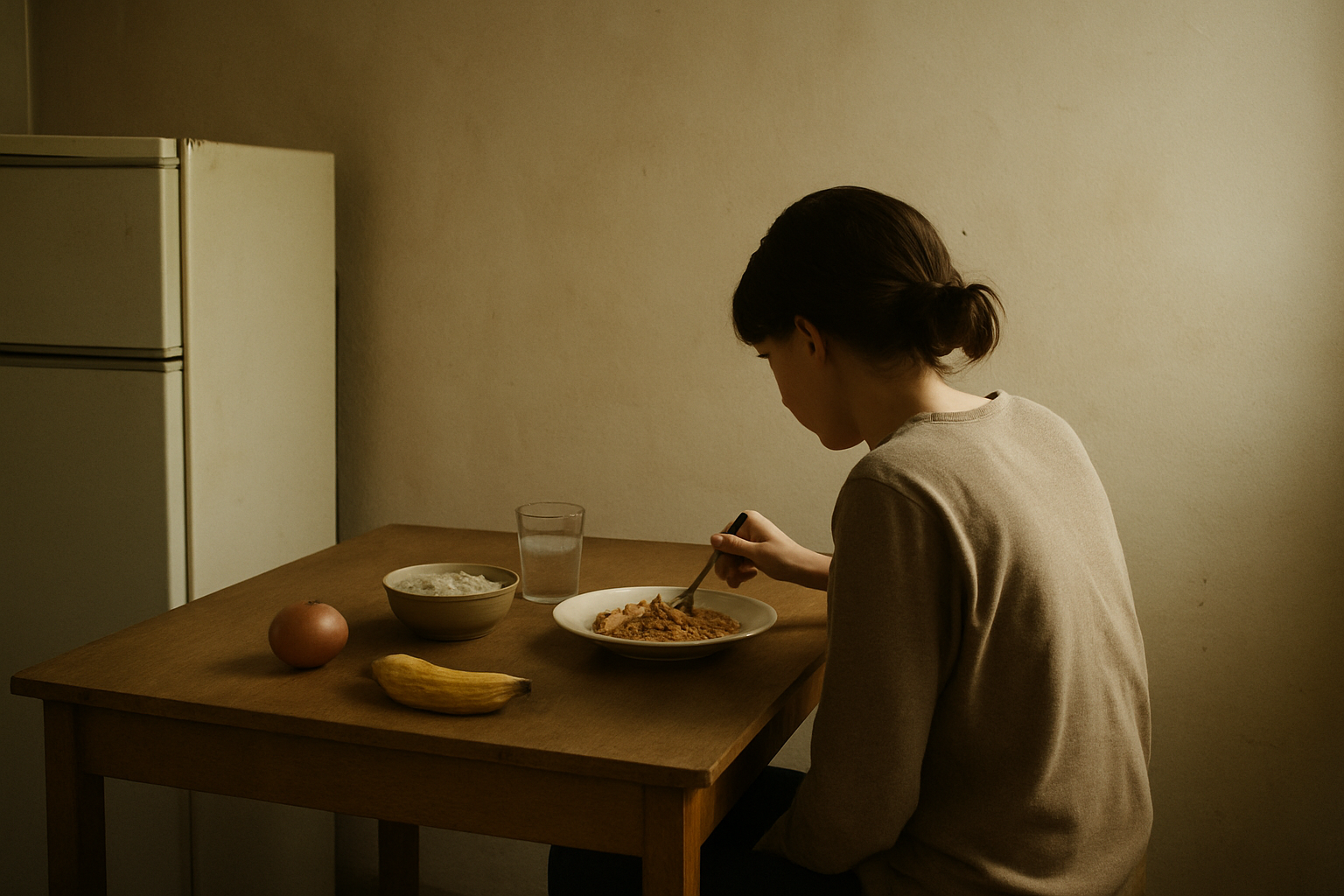
You may be trying to feed yourself while running on fumes, watching every pound or dollar, and carrying a breakup, job loss, illness, or plain old burnout. “Healthy eating” can sound like a project for someone with spare cash, spare time, and a clear head. This is for this week: cheap meals, low decisions, and food you can make without pretending you’ve got loads of energy.
In this article
- What “recovery meals” really looks like on a hard week
- The cheapest meal formula is usually protein + carb + one easy plant
- Mornings, energy, and the case for eating before you “feel ready”
- Where most plans fall apart: the 6 p.m. crash
- A tiny kitchen system beats a full meal plan
- The 10-minute shop matters more than the perfect recipe
- What if cooking feels impossible this week?
- Leftovers vs fresh starts: when each one actually helps
What “recovery meals” really looks like on a hard week
On a hard week, a useful meal is one you actually eat. Usually, that means it’s cheap, easy to repeat, filling enough to keep you going for a few hours, and simple enough to make when your brain feels slow. A recovery meal, in this sense, isn’t fancy, perfectly balanced, or cooked from scratch every night. It’s good enough to keep you going.
A practical target is meals that often come in around £1-£3 or $1.50-$4 per serving, depending on where you live and what you already have in the cupboard. Tinned beans, frozen peas, eggs, pasta, rice, oats, bread, potatoes, peanut butter, bananas, and jarred sauce can carry a lot of these meals. If you’ve already got olive oil, salt, soy sauce, curry powder, or black pepper, better still.
People often get stuck by aiming for an ideal meal that needs planning, shopping, prep time, clean dishes, and motivation all at once. That’s too many moving parts for a rough patch. Eating more steadily usually starts with lowering the bar and repeating a few workable meals until life feels less jagged.
The cheapest meal formula is usually protein + carb + one easy plant
Five fallback combinations that cost little and take 10-15 minutes
Keep one simple formula in mind: protein + carb + one easy plant. It covers most low-budget meals without needing a recipe. Rice + eggs + frozen peas. Pasta + lentils + jarred tomato sauce. Beans on toast with a banana on the side. Same basic idea, different version.
- Beans on toast + fruit: 5-10 minutes. Roughly £0.60-£1.20 / $1-$2 per serving. Use baked beans or black beans on toast, then add an apple or banana if you have one.
- Rice + eggs + frozen peas: 12-15 minutes if the rice cooks from dry; faster with microwave rice. Roughly £0.90-£1.80 / $1.50-$3 per serving.
- Pasta + lentils + jarred tomato sauce: 15 minutes. Roughly £1-£2 / $1.50-$3.50 per serving. Tinned lentils make this quicker; dried red lentils also work if you cook them in the sauce.
- Baked potato + tuna or beans: 10 minutes in a microwave, longer in an oven. Roughly £1-£2.50 / $1.50-$4 per serving depending on the topping.
- Oats + peanut butter + banana: 3-5 minutes hot or cold. Roughly £0.50-£1 / $0.75-$1.75 per serving.
If you want one more option, tortilla wraps with hummus and bagged salad can work well, but wraps and hummus often cost more per meal than rice, bread, oats, or potatoes.
The £15-£25 / – shop that covers 4-5 days
Exact totals vary by region and store, but a basic basket might look like this:
- Oats
- Eggs
- Rice
- Pasta
- 2-4 tins of beans
- 1 pack or tin of lentils
- Frozen mixed veg or frozen peas
- Bananas
- Bread
- Potatoes
- Peanut butter
- Yoghurt if affordable
In the UK, own-brand staples from Aldi, Lidl, Tesco, Asda, or Sainsbury’s often make this kind of basket workable. In the US, Walmart, Target, Kroger, and Aldi usually have similar low-cost basics. If you’re choosing between fresh spinach and frozen peas on a tight budget, frozen peas usually win on cost, waste, and ease.
Where this formula can get boring, and why boring is not always the problem
Yes, repetition can get dull. But when decision fatigue is high, boring can help. Eating the same breakfast four days in a row may save enough mental effort to make lunch and dinner easier.
This writer’s view: people talk up variety a bit too much during rough periods. If the same cheap lunch gets eaten three times this week and keeps life steadier, that is doing its job.
If you’re getting sick of your defaults, change one thing: the sauce, spice, or carb. Swap rice for potatoes. Change tomato sauce to soy sauce. Add curry powder or chilli flakes if you already have them. One small shift keeps the meal recognisable without turning it into a full cooking task.
Mornings, energy, and the case for eating before you “feel ready”
Three breakfasts that ask almost nothing from you
- Overnight oats: 2 minutes at night. Oats + milk or water + spoon of yoghurt or peanut butter if you want it. Roughly £0.40-£0.90 / $0.75-$1.50.
- Toast with peanut butter and banana: 3-5 minutes. Roughly £0.50-£1 / $0.75-$1.75.
- Yoghurt with oats or cereal: 2 minutes. Roughly £0.70-£1.50 / $1-$2.50 depending on the yoghurt.
A realistic threshold for the first meal
If you can, eat something within 1-2 hours of getting up. It doesn’t have to be a full breakfast. Half a banana and toast counts. On days when your appetite is patchy, small still counts as a start.
It can make the rest of the day easier because long gaps often make everything feel harder to organise. You don’t need a perfect breakfast. You need something that helps the next hour go a bit better.
Where breakfast plans fall apart
No clean bowl. No groceries in. No appetite. Mornings already packed with school runs, commutes, job applications, forms, or just trying to get yourself upright.
That’s when shelf-stable basics earn their keep: oats, cereal, peanut butter, bread for toast, bananas if they’re around, even plain crackers if that’s what you’ve got. “Eat first, improve later” is a decent rule for rough mornings. If breakfast depends on blending something green in a Nutribullet and washing it up after, it probably won’t happen.
If it takes more than five minutes and two dishes, save it for another day.
Where most plans fall apart: the 6 p.m. crash
Two dinners for the lowest-energy evenings
Freezer veg fried rice with egg: Use cooked rice if you have it; if not, microwave rice works well for emergency dinners. Fry or heat frozen mixed veg in one pan, add rice, crack in 1-2 eggs, season with soy sauce if available. Time: 12-15 minutes. Cost: roughly £1-£2 / $1.50-$3 per serving.
Pasta with beans or lentils and sauce: Boil pasta, warm jarred tomato sauce with a tin of beans or lentils in the same pan or a second pan if needed. Minimal chopping, very little thought. Time: 15-20 minutes. Cost: roughly £1-£2 / $1.50-$3.50 per serving.
The “assembly meal” backup for zero-cook nights
Keep one no-cook fallback in mind: crackers or toast, cheese or hummus, fruit, yoghurt, nuts, or pre-cooked eggs if you can get them cheaply enough. You’re assembling dinner, not cooking it.
Convenience foods can cost more per serving than dry staples. Save them for nights when the other options are skipping dinner or ordering food that blows the budget.
Why evening intentions fail
Evening is when stress, tiredness, and money worries tend to land at once. If dinner means chopping onions, washing three pans, and making a late trip to Tesco Express or 7-Eleven because one ingredient is missing, it’s easy for the whole plan to collapse. (Update: Productivity After Burnout goes deeper on this.)
That’s normal.
A better test is simple: can you make it in 20 minutes with what’s already in your kitchen? If not, it’s probably a weekend meal or one for a better week.
A tiny kitchen system beats a full meal plan
For this week, pick just six anchor meals: two breakfasts, two lunches, two dinners. Write them on paper or in your phone notes app, then repeat them. That’s enough structure to stop the “what do I even eat?” spiral without giving yourself another job.
Set aside one shelf, one fridge section, and one freezer section for default foods only. Keep the easiest things at eye level: bread where you’ll see it, oats at the front of the cupboard, eggs together in one spot, frozen peas where they’re easy to grab.
Small friction matters when energy is low.
Then do one 20-minute reset. Throw out gone-off food. Group similar items together. Check how many real meals your current food can make, rather than how many random items are sitting there. Full weekly meal plans often fall apart in hard seasons because they ask for too many decisions up front and too much faith in future energy.
The six-anchor approach is usually better than a detailed seven-day plan for weeks like this; most detailed plans collapse by midweek and take motivation with them.
Once the plan breaks on Tuesday, guilt can take over, and people stop using the parts that were actually helping.
The 10-minute shop matters more than the perfect recipe
A short list to buy when money is tight right now
If cash is very tight today, buy 8-10 things that can turn into several meals before anything else:
- Oats
- Bread
- Eggs
- Rice or pasta
- Tinned beans
- Frozen peas or mixed veg
- Bananas
- Potatoes
- Peanut butter
- One comfort item if budget allows
The comfort item could be decent tea bags like PG Tips or Yorkshire Tea, hot chocolate sachets, a favourite yoghurt, or a packet of McVitie’s chocolate digestives. Add it on purpose if you can afford it. Small comfort still matters in a difficult week.
Shop format vs cost: when each option wins
Supermarket own-brand staples usually give you the lowest cost per meal. Corner shops can help with emergency fill-ins like milk or bread when a bigger shop just isn’t possible, but they often cost more per item.
If food keeps going to waste in your kitchen right now, frozen veg, tinned beans, and other tinned foods will often stretch further than fresh produce.
A spending rule that prevents expensive “nothing food”
Before buying snacks or extras, make sure there are at least three actual meals in your basket: oats for breakfast, pasta with lentils for dinner, potatoes with beans for lunch tomorrow. We’ve since covered this in more detail in Cheap Healthy Meals When You Are Starting Over.
This isn’t about restriction. It’s about making your money stretch. A basket full of drinks, snack bars, and bits that don’t combine into meals can disappear fast and still leave you hungry at 8 p.m.
What if cooking feels impossible this week?
Lower the bar further. Soup plus bread can be enough for tonight. Microwave rice plus tinned fish can be enough for lunch tomorrow. Cereal plus yoghurt is still food. Toast plus eggs counts. If you find discounted rotisserie chicken at a supermarket hot counter and it fits your budget, it can stretch across several meals: sandwich today, rice bowl tomorrow, soup later in the week.
Most of these options take somewhere between 2 and 10 minutes and cost roughly £1-£4 or $1.50-$5 per serving, depending on where you shop and whether anything’s discounted. The catch is that convenience can get expensive quickly, so use it where it prevents waste or gets food into you on days when cooking just isn’t happening. (Update: Burnout Recovery When You… goes deeper on this.)
If eating feels hard most days at the moment, or daily tasks are feeling unmanageable more broadly, reach out for real support from a GP, clinician, registered dietitian, community support worker, or another qualified professional who can help you look at what’s going on in context.
Leftovers vs fresh starts: when each one actually helps
Cook once, eat twice
If you can manage one slightly bigger cooking session this week, make double on purpose once instead of trying to batch-cook five different things. A pot of pasta with lentils and sauce can cover dinner tonight and lunch tomorrow. Rice with eggs and frozen veg can do the same, if you store leftovers safely and reheat them properly according to standard food-safety guidance.
A good threshold is one deliberate leftover meal every two days. That saves money without filling the fridge with containers you probably won’t want later.
When fresh starts are better than leftovers
Some people stop eating leftovers during stressful periods because they start to feel repetitive by day three, or because they get forgotten at the back of the fridge. If that keeps happening to you, don’t force it.
Fresh starts work better when they stay simple: toast and eggs instead of reheating stew you already dislike; a jacket potato instead of dealing with a container that now feels like homework; oats made fresh in three minutes instead of idealising overnight oats you forgot to prep.
The failure point with batch cooking
Batch cooking sounds frugal, but it often falls apart when your energy is low. It asks you to shop ahead, chop ahead, cook ahead, find storage space, and still want the same meal several times.
One extra portion is often more realistic than six portions packed into labelled tubs.
Open your notes app and write down your six anchors for this week: two breakfasts, two lunches, two dinners.
Questions people ask
What should I eat when I'm too burned out to cook much?
Start with low-effort meals that still give you protein, carbs, and something fresh. Think eggs on toast, oatmeal with peanut butter and banana, rice with canned beans and salsa, or yogurt with frozen fruit. Keep a few fallback foods around so you don't have to make decisions when you're wiped out.
How can I make cheap meals feel more supportive when I'm exhausted?
Make them easier to eat and easier to repeat. A warm bowl of soup, a baked potato with beans and cheese, or noodles with frozen veggies can feel comforting without costing much. If you can, add one small thing that helps the meal feel better, like fruit on the side, a favorite sauce, or a drink you actually enjoy.
What are the best budget staples to keep on hand for burnout recovery meals?
Rice, pasta, oats, eggs, canned beans, lentils, peanut butter, bread, frozen vegetables, canned tuna or chicken, yogurt, potatoes, and a few simple seasonings will take you far.
Can I recover well if I'm mostly eating the same few cheap meals every week?
You can, especially if those meals cover the basics often enough. Aim for a simple mix: a protein source, a filling carb, and at least one fruit or vegetable when possible. Repetition isn't failure; it can be what gets you fed consistently. You can rotate small add-ons like different sauces, spices, or toppings when you have more energy.
What's a realistic grocery strategy when I have almost no energy and not much money?
Pick 5 to 7 foods you know you'll actually eat, then build two or three repeat meals from them. Buy store brands, use frozen produce to cut waste, and choose ingredients that work in more than one meal, like eggs, tortillas, beans, and rice. If shopping itself feels like too much, even a short list is enough. Since this was published, How to Eat Better With No Savings and No Time has taken the question further.